The way we connect to mobile networks is evolving. Traditionally, Filipinos have relied on physical SIM cards to access calls, texts, and data. But now, a new technology called eSIM (short for “embedded SIM”) is becoming more common. Unlike a physical SIM, an eSIM is built into your phone and can be activated digitally. The question is: should you switch to it now, or is it better to stick with the familiar physical SIM?
What is eSIM?
An eSIM is a digital version of a SIM card that is permanently embedded in your smartphone. Instead of inserting or removing a physical SIM, you activate your mobile plan using a QR code or through your telco’s app.
Unlike the traditional SIM card, which is a small piece of plastic you physically insert into your phone, the eSIM is part of your device’s hardware. This means:
- You don’t need to visit a store to get a SIM card.
- You can have multiple mobile numbers or data plans saved on one device.
- Switching networks or plans can be done with just a few taps.
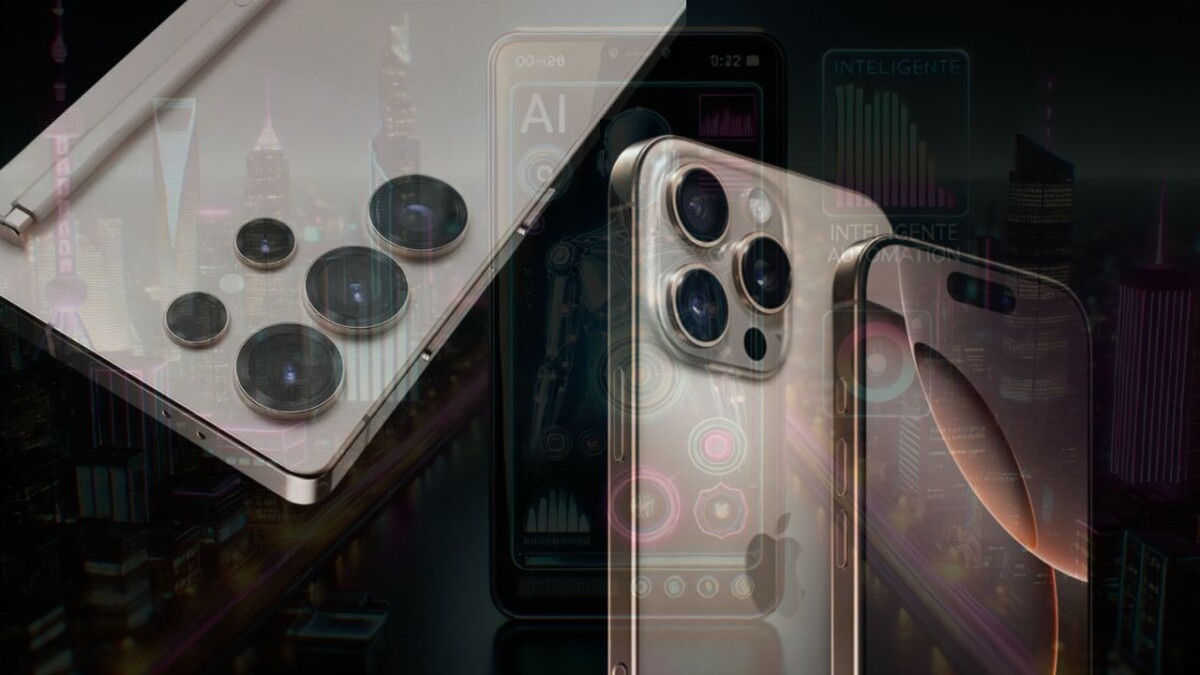
eSIM technology is already common in newer iPhones, Samsung Galaxy flagships, and other premium smartphones, with more devices expected to adopt it in the coming years.
The Current State of eSIM in the Philippines
Both Globe and Smart already support eSIM technology. Postpaid subscribers have had access to it for a while, and recently, prepaid eSIMs were also launched. This makes it easier for more Filipinos to try out the service without committing to long-term contracts.
Travel eSIMs are also available in the country. These are popular with tourists or locals who want data-only plans that can be activated instantly.
As for devices, many newer smartphones already support eSIM — including iPhones starting from the iPhone XS, most flagship Samsung Galaxy models, and select phones from brands like Huawei, OPPO, and Google Pixel. Budget and midrange phones, however, may still lack eSIM support.
Advantages of Switching to eSIM
- Convenience – No need to visit a store for a physical SIM; activation is done digitally through a QR code or an app.
- Multiple Profiles – You can store more than one mobile plan on the same phone, such as personal and work numbers, or a local SIM and a travel data plan.
- Travel-Friendly – Perfect for travelers, since you can buy and activate a foreign data plan before even arriving at your destination.
- Less Waste – Because it’s digital, eSIM reduces plastic waste from traditional SIM cards and packaging.
- More Secure – Losing a physical SIM card is no longer a problem. eSIMs are built-in and harder to steal or tamper with.
Disadvantages and Limitations
- Device Compatibility – Not all phones, especially budget-friendly models, support eSIM yet.
- Switching Devices – Transferring your eSIM to another phone isn’t as easy as moving a physical SIM. It often requires reactivation through your carrier.
- Limited Support for Calls and SMS – Some eSIMs, especially travel or data-only plans, don’t support regular voice calls or SMS, which can be an issue for OTPs and banking.
- Coverage Depends on Carriers – Using an eSIM doesn’t improve signal strength; you’re still limited by the same coverage of your chosen telco.
- Internet Required for Setup – You’ll need an internet connection to activate your eSIM, which can be tricky if you’re setting it up while traveling.
Cost and Practical Use
Globe and Smart price their eSIM data packages similarly to their physical SIM counterparts. For prepaid users, promos such as unlimited data or app-specific packages are available on eSIM. For postpaid, eSIM simply replaces the physical SIM with the same plan inclusions.
Travel eSIMs are more expensive per gigabyte but offer unmatched convenience, especially for those who want instant connectivity abroad.
When eSIM Makes Sense
You should consider eSIM if:
- You already own a compatible device.
- You travel often and need quick data access.
- You prefer managing multiple numbers without carrying multiple SIM cards.
- You mainly rely on data over calls and texts.
You might want to wait if:
- You still use an older or midrange phone without eSIM support.
- You depend heavily on calls, SMS, and OTPs linked to your physical SIM.
- You live in rural areas where coverage and troubleshooting may be easier with a traditional SIM.
The Future of eSIM in the Philippines
With both Globe and Smart rolling out prepaid eSIMs, the technology is becoming more accessible. It’s expected that more devices — even midrange phones — will include eSIM support in the coming years. Some countries already have phones that use eSIM only, and it’s likely that the Philippines will follow this trend eventually.
Final Though
For many Filipinos, now is a good time to try eSIM, especially if your phone already supports it and you’re looking for convenience, flexibility, or frequent travel options. But if you still rely on traditional calls and SMS or use a device without eSIM support, sticking with a physical SIM for now still remains the safer choice.
Disclaimer: Images used in this article are for illustrative purposes only. All photos belong to their respective owners. If you are the copyright holder of any image and wish to request removal or credit update, please contact us.