Smartwatches have come a long way since their early days of just showing notifications and counting steps. In 2025, they’re more advanced than ever—tracking your health in real-time, helping with productivity, and even acting as a mini smartphone on your wrist. But with prices ranging from budget-friendly models under ₱2,000 to premium ones above ₱30,000, many Filipinos are asking: are smartwatches really worth it? Let’s weigh the pros and cons.
✅ Pros of Using a Smartwatch
1. Health & Fitness Tracking
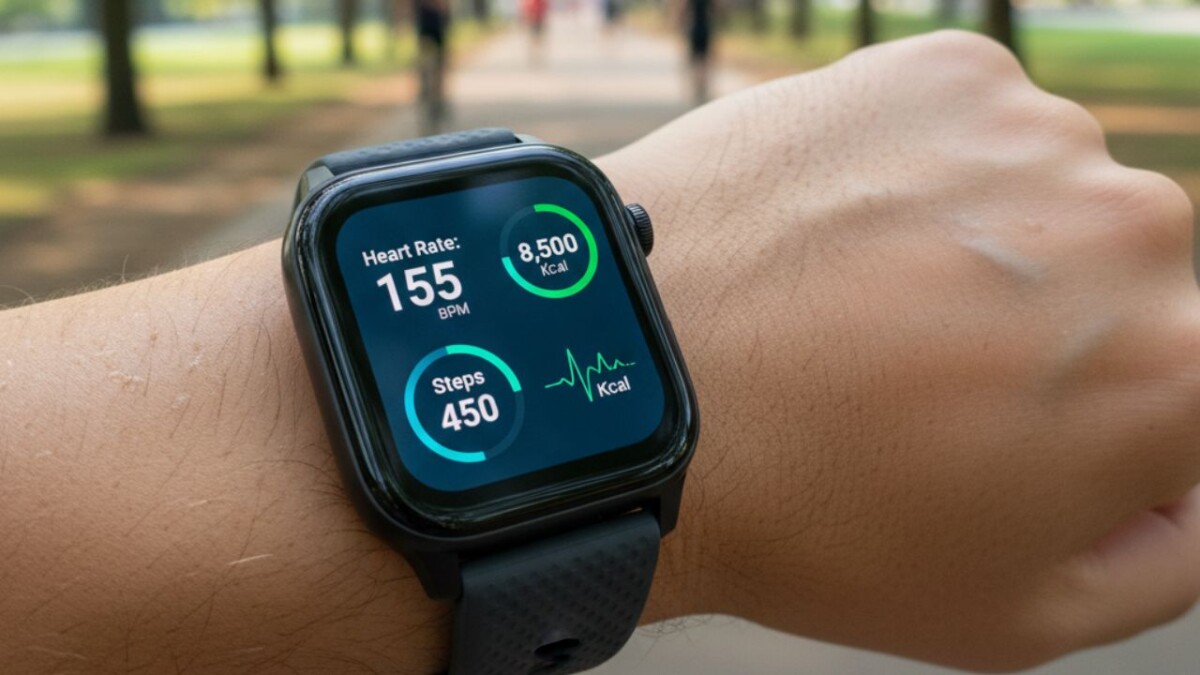
- Tracks heart rate, blood oxygen, sleep quality, and even stress levels.
- Perfect for Filipinos trying to live healthier lifestyles without expensive medical devices.
- Popular for jogging, cycling, and weekend hikes around places like Tanay, Rizal or Mt. Pulag.
2. Convenience on the Go
- Quickly check messages, calls, and notifications without pulling out your phone.
- Great for commuters riding the MRT/LRT or crowded jeepneys.
3. Cashless Payments & Productivity
- Some models support GCash, PayMaya, and NFC payments, which are becoming more common in malls and convenience stores.
- Calendar reminders, alarms, and quick voice assistants make daily life smoother.
4. Fashion & Personalization
- Smartwatches are now style statements. From sporty straps to classic designs, they complement both casual and office wear.
- Many brands offer customizable watch faces—great for expressing personality.




5. Safety Features
- SOS alerts and fall detection are especially helpful for elderly users or solo travelers.
- GPS tracking is useful for both navigation and fitness.
❌ Cons of Using a Smartwatch
1. Price
- Premium smartwatches like the Apple Watch Series 10 or Samsung Galaxy Watch 7 can cost as much as a midrange smartphone.
- Even mid-tier options may feel expensive for average Pinoy workers.
2. Limited Battery Life
- Most smartwatches last 1–2 days on heavy use, unlike traditional watches that last months or years.
- Frequent charging can be inconvenient, especially for travelers.
3. Dependence on Smartphones
- Many smartwatches need to stay connected to your phone to unlock their full potential.
- Without a paired phone, features like LTE calls or payments may not work.
4. Learning Curve
- Some users, especially older Filipinos, find them complicated compared to simple analog or digital watches.
5. Repair & Durability Costs
- Replacing batteries, cracked screens, or straps can be pricey.
- Not all service centers in the Philippines offer quick smartwatch repairs.
💡 Should You Get One?
Smartwatches are worth it if you:
- Value health tracking and want real-time updates.
- Need convenience for work, school, or commuting.
- Like fashionable, customizable wearables that also serve a purpose.
But if you:
- Only need to tell time,
- Prefer long-lasting traditional watches, or
- Don’t want another gadget to charge daily,
…then you may be better off skipping it.
Conclusion
In 2025, smartwatches are more useful than ever for Filipinos, offering health, convenience, and style in one device. Still, they’re not for everyone. Think about your lifestyle, budget, and priorities before buying one. If you’re someone always on the move and want to live healthier, a smartwatch can be a worthy investment. If not, your trusty smartphone and classic watch might already be enough.
Disclaimer: Images used in this article are for illustrative purposes only. All photos belong to their respective owners. If you are the copyright holder of any image and wish to request removal or credit update, please contact us.