
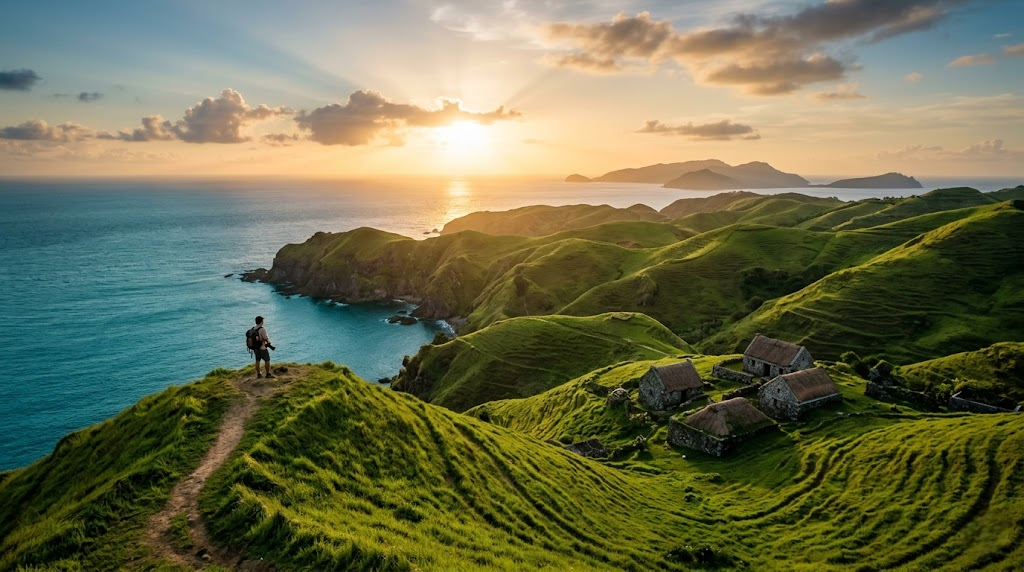
Batanes feels less like a tropical destination and more like a windswept European countryside floating at the edge of the Pacific Ocean. The rolling hills are impossibly green, the stone houses look frozen in time, and the pace of life feels refreshingly detached from the chaos of the mainland. It is one of the few places in the Philippines where people still leave doors unlocked, cows casually graze beside dramatic cliffs, and the weather changes mood every few hours.
This guide goes beyond postcard spots and Instagram viewpoints. It covers the real logistics, local etiquette, honest budgeting, hidden frustrations, food worth hunting down, and how to experience Ivatan culture respectfully without turning the islands into a checklist.
Best Time to Visit
March to May offers calmer weather and greener landscapes. June to September can bring typhoons and flight cancellations.
Ideal Trip Length
4 to 5 days gives enough flexibility for weather delays and relaxed exploration.
Main Vibe
Slow travel, dramatic scenery, cultural immersion, windy coastal adventures, and peaceful island life.
Currency
Philippine Peso (PHP). Cash is essential because ATMs are limited and sometimes offline.
Why Batanes Feels So Different
Unlike most Philippine destinations dominated by beaches and nightlife, Batanes is about landscapes, silence, and atmosphere. The islands sit closer to Taiwan than Manila, and the culture reflects centuries of isolation, resilience, and adaptation to harsh weather.
You will notice it immediately: houses built from thick limestone, roads without billboards, almost no honking traffic, and locals who genuinely greet strangers. Even tourism here feels restrained compared to the overcrowded energy of Boracay or El Nido.
Local Secret
The best moments in Batanes usually happen outside the famous viewpoints. A random roadside stop, an empty grazing field, or a conversation with an Ivatan elder often becomes more memorable than the major tourist attractions.
How to Get to Batanes
By Air
Flights from Manila to Basco take around 1 hour and 45 minutes. Tickets are often expensive compared to other domestic routes because flights are limited and weather disruptions are common.
Do not book ultra-tight itineraries. Typhoons and strong winds can delay flights for days, not just hours.
Arrival Reality
Basco Airport is tiny, relaxed, and refreshingly uncomplicated. There are no massive queues or aggressive tour salespeople waiting outside.
Most hotels arrange airport pickup, and tricycles are the main local transport around town.
Important Reality Check
Never schedule an important meeting or international flight immediately after your Batanes trip. Weather disruptions are part of the experience here, especially during rainy season.
The Ideal 5-Day Batanes Itinerary
Explore Basco Proper & Sunset by the Lighthouse
Take it slow after arrival. Walk around Basco town, visit Naidi Hills, and watch sunset at Basco Lighthouse while waves crash below the cliffs.
North Batan Adventure
Visit Valugan Boulder Beach, Tukon Chapel, PAGASA Rolling Hills, and the famous racuh-a-payaman pasturelands where cows wander freely beside dramatic cliffs.
South Batan Cultural Day
Explore Mahatao, Chavayan village, old stone houses, and San Carlos Borromeo Church. This is the day when Batanes starts feeling deeply cultural instead of just scenic.
Sabtang Island Excursion
Take an early boat ride to Sabtang. Expect rough waves depending on weather. The island feels even more untouched and traditional than Batan.
Buffer Day & Slow Morning
Keep your last day flexible for weather delays, café hopping, souvenir shopping, or another lighthouse sunset.
Top Experiences You Should Not Miss
Marlboro Country
The rolling hills here look surreal during golden hour. Arrive early morning or late afternoon to avoid harsh sunlight and tour crowds.
Sabtang Stone Villages
This is where you truly understand Ivatan architecture. The thick limestone homes were built to survive brutal typhoons.
Valugan Boulder Beach
Not for swimming, but one of the most photogenic coastlines in the country. The volcanic boulders become dramatic during rough seas.
Basco Lighthouse Sunset
Simple, quiet, and unforgettable. Many visitors return here multiple times during the same trip.
Where to Eat in Batanes
Food in Batanes is less about trendy cafés and more about fresh seafood, root crops, honest cooking, and local flavors shaped by isolation.
Must-Try Dishes
- Uvud balls
- Fresh flying fish
- Ivatan beef stew
- Coconut crab (when available)
- Turmeric rice meals
Dining Reality
Do not expect huge restaurant variety. Many eateries close early, and some dishes require advance reservation because ingredients arrive irregularly.
Best Food Strategy
Eat where locals eat. Homestays and family-run kitchens often serve the most memorable meals on the islands.
Street Food Safety Tip
Batanes is generally cleaner and calmer than many Philippine tourist destinations, but seafood freshness still depends heavily on weather and fishing conditions. Busy eateries are usually the safest choice.
Where to Stay in Batanes
| Area | Best For | Atmosphere | Downside |
|---|---|---|---|
| Basco Town | First-time visitors | Convenient and social | Less isolated scenery |
| Mahatao | Photography lovers | Quiet countryside feel | Limited dining options |
| Sabtang Island | Slow travelers | Most authentic experience | Weather-dependent access |
Estimated Daily Budget
₱2,500–₱4,000/day
₱5,000–₱8,000/day
₱10,000+/day
Hidden Costs Travelers Forget
- Weather-related extra hotel nights
- Boat ride surcharges during rough seas
- Cash-only transactions
- Limited mobile signal in remote areas
- Higher food prices due to island logistics
What to Pack for Batanes
Essential Clothing
- Windbreaker or light jacket
- Quick-dry clothing
- Comfortable walking shoes
- Rain protection
Useful Gear
- Power bank
- Offline maps
- Extra camera batteries
- Dry bag for boat rides
Things Many Forget
- Cash
- Motion sickness tablets
- Sun protection
- Reusable water bottle
The Good, The Bad & The Crowded
The Good
- Unmatched scenery
- Warm and respectful culture
- Very low crime
- Excellent for slow travel
The Challenging
- Expensive flights
- Unpredictable weather
- Limited nightlife
- Few luxury amenities
The Crowded Moments
- Popular viewpoints during midday tours
- Peak season holidays
- Airport delays during weather disruptions
Who Should Visit Batanes?
Perfect For
- Nature lovers
- Photographers
- Slow travelers
- Couples seeking peaceful scenery
- Cultural travelers
Who Might Skip It
- Nightlife-focused travelers
- Luxury resort seekers
- People with very tight schedules
- Travelers uncomfortable with unpredictable weather
Final Verdict
Batanes is not the easiest destination in the Philippines, and that is exactly why it still feels magical.
The weather can ruin plans, flights can become painfully expensive, and the lack of modern conveniences may frustrate some travelers. But for those willing to slow down, embrace uncertainty, and appreciate raw landscapes and genuine culture, Batanes delivers one of the most unforgettable travel experiences in Southeast Asia.
Frequently Asked Questions
Is Batanes expensive?
Yes, compared to many Philippine destinations. Flights and logistics are costly because of the islands’ remote location.
How many days are enough?
At least 4 to 5 days, especially to account for possible weather disruptions.
Can you explore without a tour?
Yes, but guided tours help explain Ivatan history and culture in a much deeper way.
Is Batanes safe?
Very safe overall. The islands are known for honesty, low crime, and strong community culture.
Disclaimer: Images used in this article are for illustrative purposes only. All photos belong to their respective owners. If you are the copyright holder of any image and wish to request removal or credit update, please contact us.
Related Posts
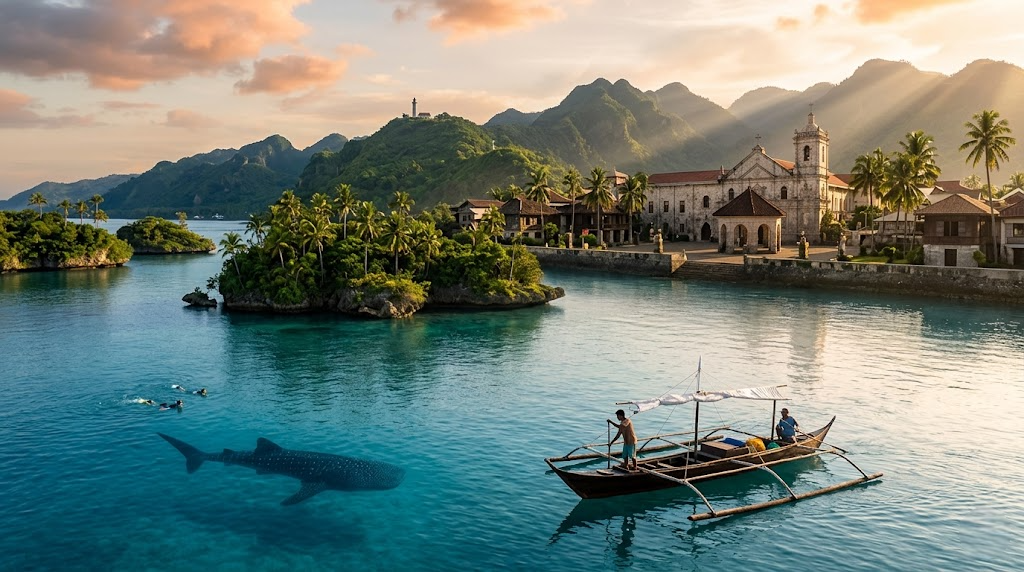
Cebu Heritage and Island Guide: From Historical Landmarks to Swimming with Whale Sharks
ULTIMATE CEBU TRAVEL GUIDE A Journey Through Cebu’s Colonial Streets, Turquoise Islands, and Whale Shark Waters Cebu is one of…
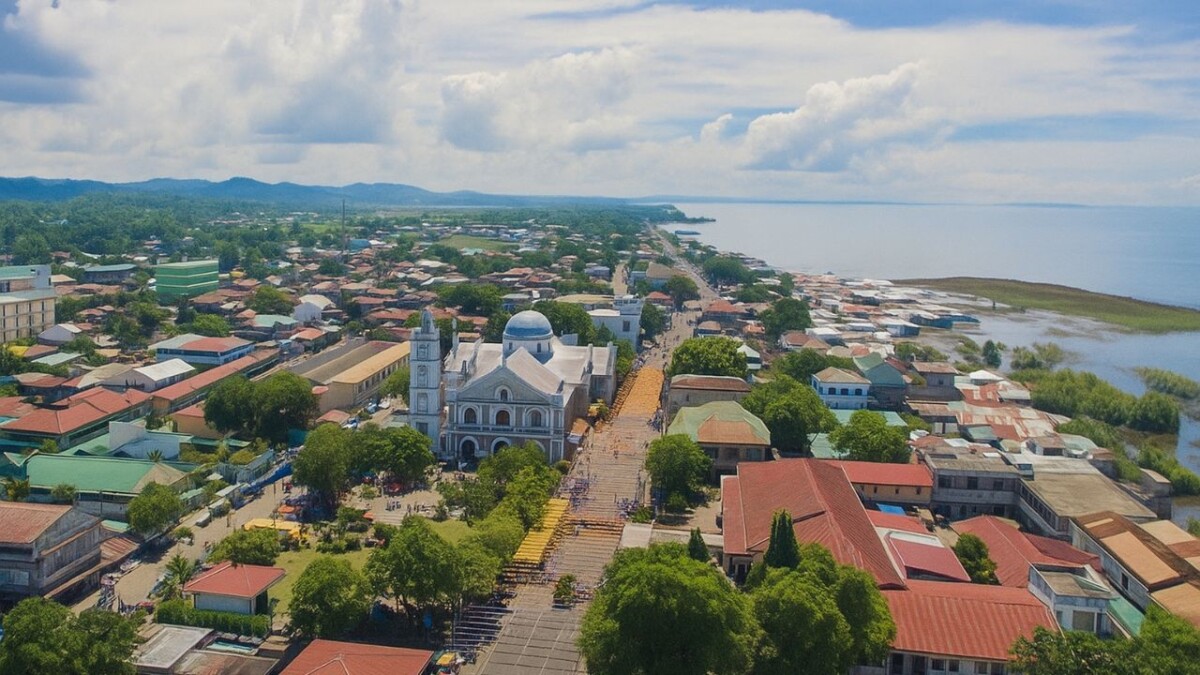
Discover Calbayog City: Your Ultimate Travel Guide 2025
Calbayog City, tucked in the northwestern part of Samar, is more than just a stopover — it’s a destination in…
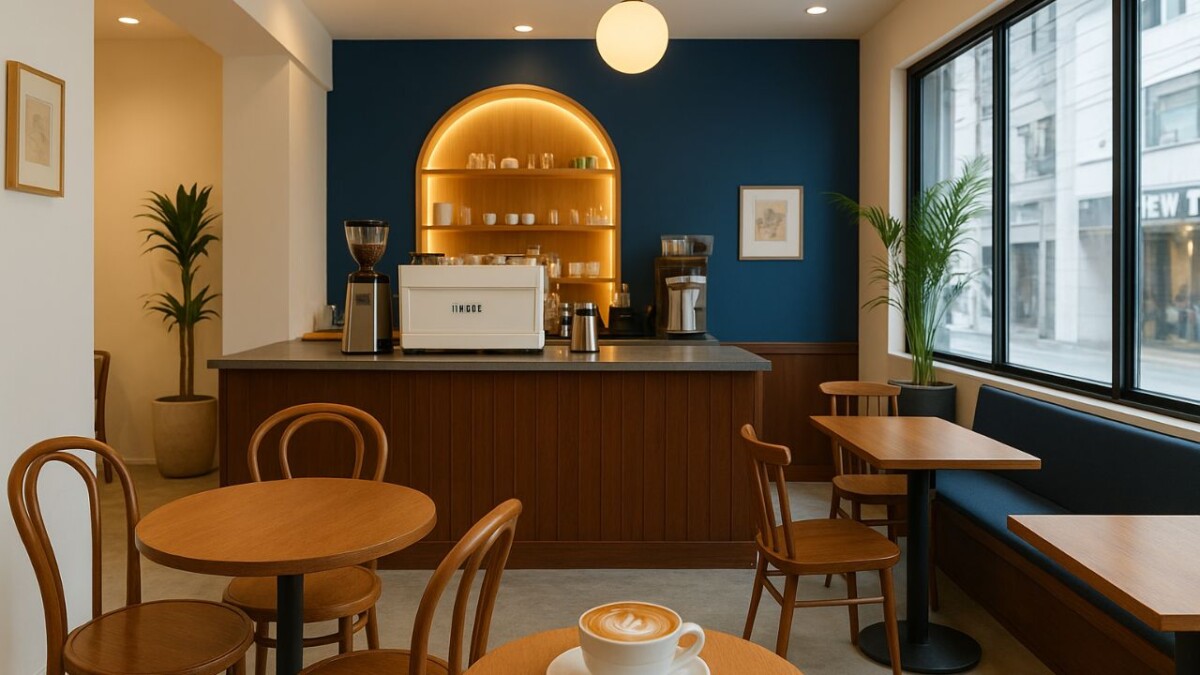
Experience Iloilo City’s Growing Café Scene: 5 Instagrammable Spots to Try
Iloilo City has always charmed visitors with its heritage architecture, delicious local cuisine, and laid-back lifestyle. In recent years, however,…